
Treatment information
Nitrofurantoin
Nitrofurantoin Capsules, tablets or liquid, depending on the product
Nitrofurantoin treats certain bacterial bladder infections, helping the infection and symptoms such as burning or frequent urination settle. It is chosen after checking that the symptoms fit a lower UTI and the medicine is suitable.
Explore the guide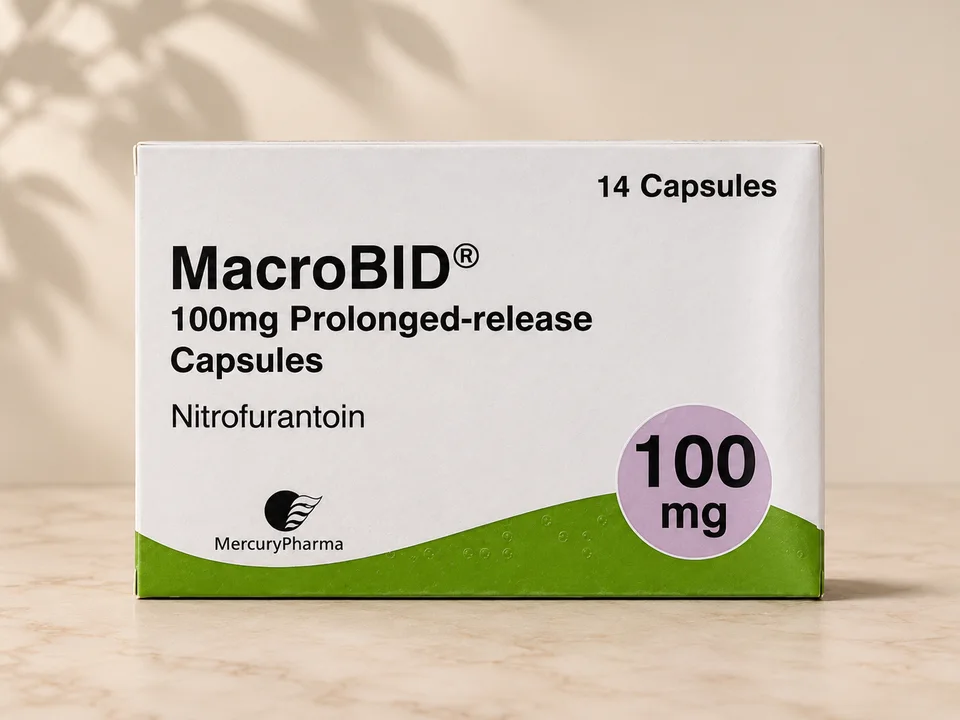
What it may help with
Treatment of a susceptible bacterial bladder infection.
What to expect
Seek review if symptoms have not started improving within 48 hours of starting treatment, or sooner if they worsen or you feel very unwell.
Benefits and response vary. Read the side effects and precautions alongside this information.
How it is used, what to expect and what to discuss with your clinician.
The essentials
Understand your
treatment options.
Nitrofurantoin is an antibiotic that concentrates in urine. It can treat certain lower urinary infections and is sometimes prescribed for prevention under a separate plan. Burning or frequent urination is not always caused by a bacterial infection. Symptoms, pregnancy status, kidney function and previous results help determine whether it is appropriate.
How it is used
Take the exact formulation and course prescribed, usually with food or milk. Standard and modified-release products have different schedules, so follow the dispensing label. Complete the course unless a clinician tells you to stop, or you develop a serious reaction requiring urgent advice. Do not save leftover antibiotics for a future episode.
What to expect
Symptoms should begin to improve after treatment starts. Seek reassessment if they worsen or have not improved within 48 hours. Repeated infections need a prevention and investigation plan rather than repeated treatment without review. A urine sample may be useful, particularly when symptoms recur or treatment has failed.
Other options
Another antibiotic may be more suitable based on your circumstances or urine-culture results. Some mild symptoms can be managed without immediate antibiotics following assessment. Recurrent infections may need investigation or prevention options. Persistent urinary symptoms should not automatically be labelled as another straightforward bladder infection.
Clear costs
The review.
Then the treatment.
We agree your route and cost before you pay.
Medicines, tests, dispensing and delivery are separate unless an agreed package includes them.
UTI & cystitis
Prescription-only request
£25New or repeat request. £10 for each additional medicine on the same prescription, if suitable and you proceed.
UTI & cystitis
Recurrent UTI assessment
£99For a fuller review · follow-up £49. The route and cost are agreed first.
Detailed consultation fees cover assessment and advice even if no medicine is prescribed. No extra £25/£10 prescription fee applies to that consultation.
Choose our pharmacy partner or a pharmacy of your choice. Supply prices and availability are confirmed separately.
A little more detail
Your questions,
answered.
Is the prevention dose the same as treating an infection?
Not necessarily. Prevention is a separate prescribed plan with its own monitoring.
Can I use it when my kidneys do not work normally?
Kidney function affects suitability and effectiveness. The clinician needs accurate information before prescribing.
Official information
Read the detail.
The leaflet supplied with your medicine contains the full instructions and safety information for that specific product.
Start with an assessment.
Discuss your concerns, explore the options and agree your next steps with your clinician.
Information updated 16 November 2026. Follow the directions supplied with your medicine and your clinician’s advice.